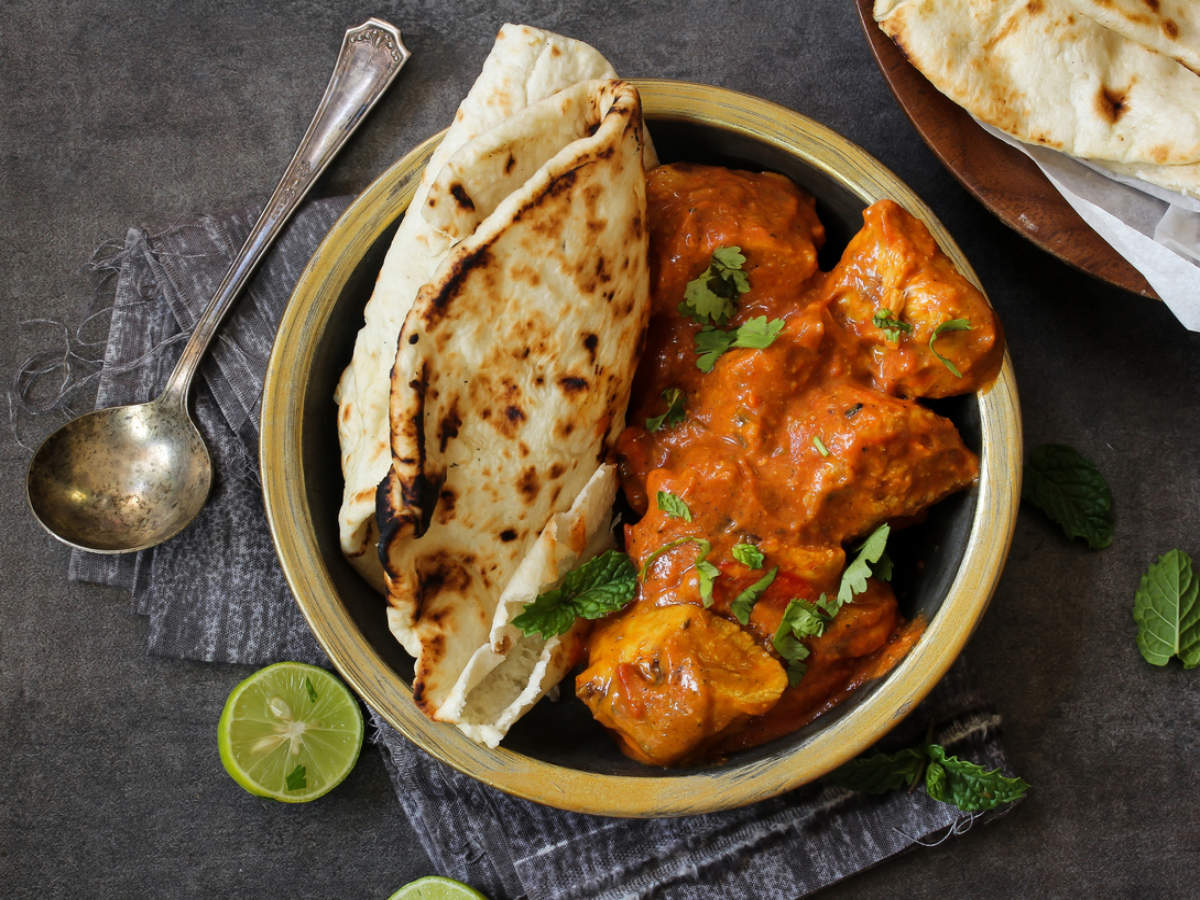
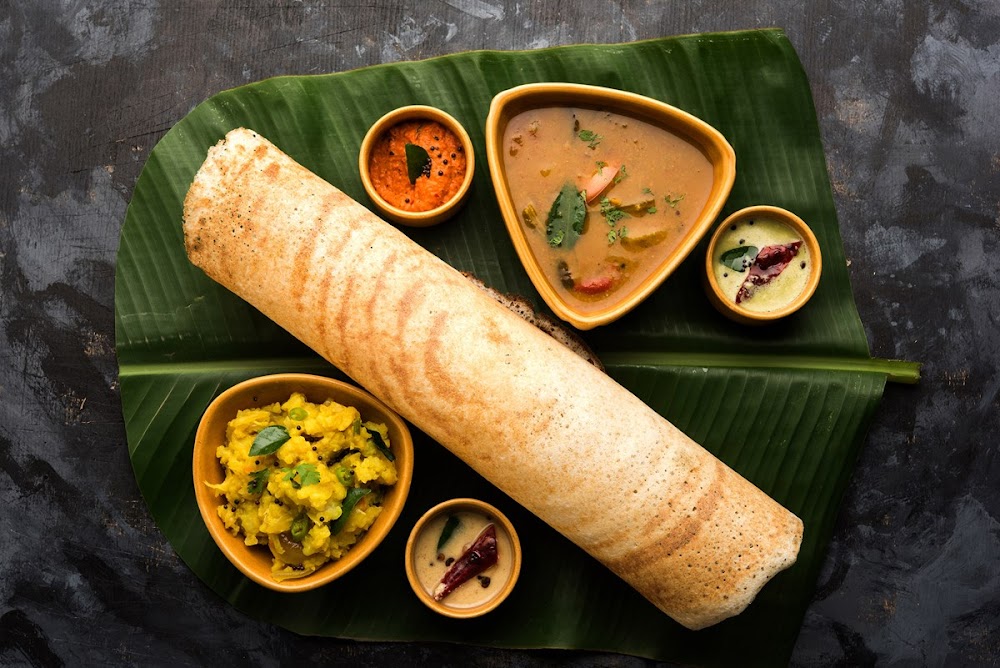
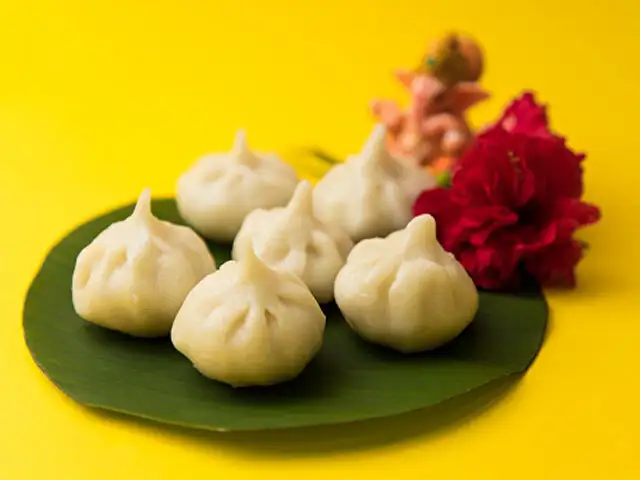
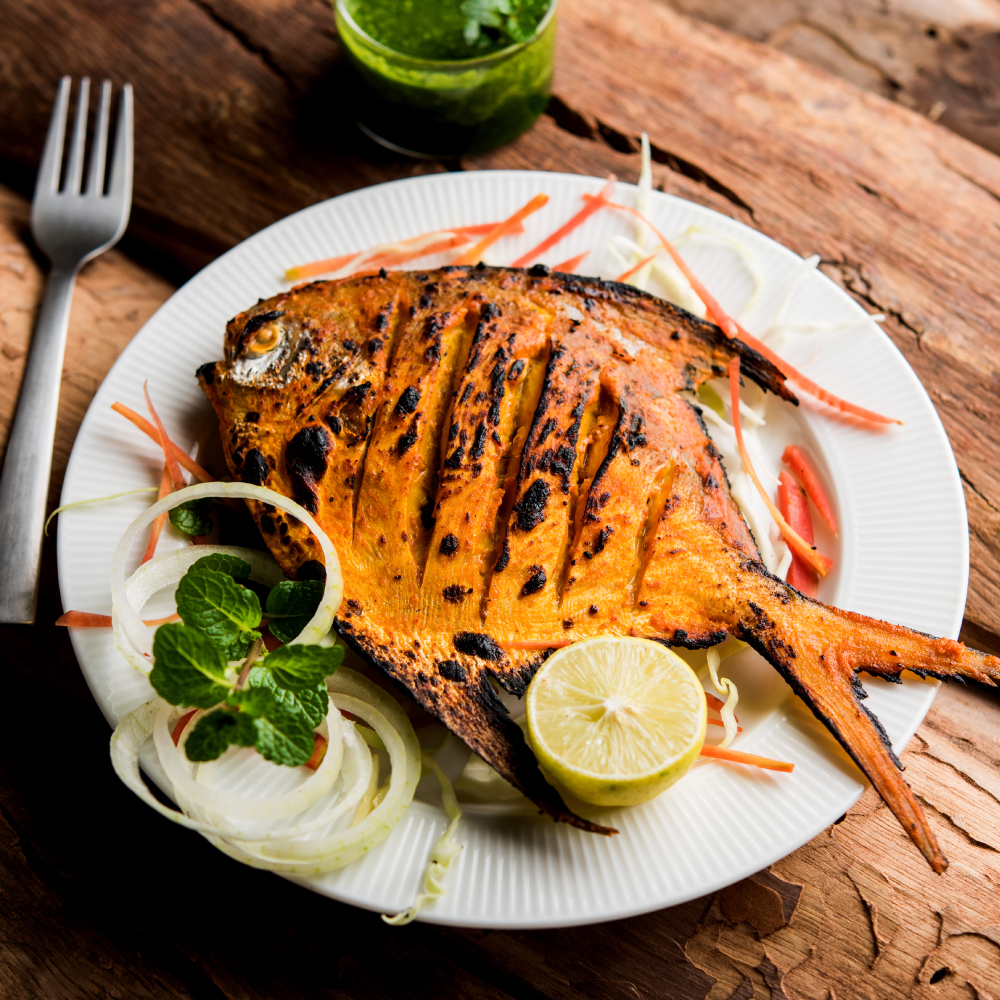
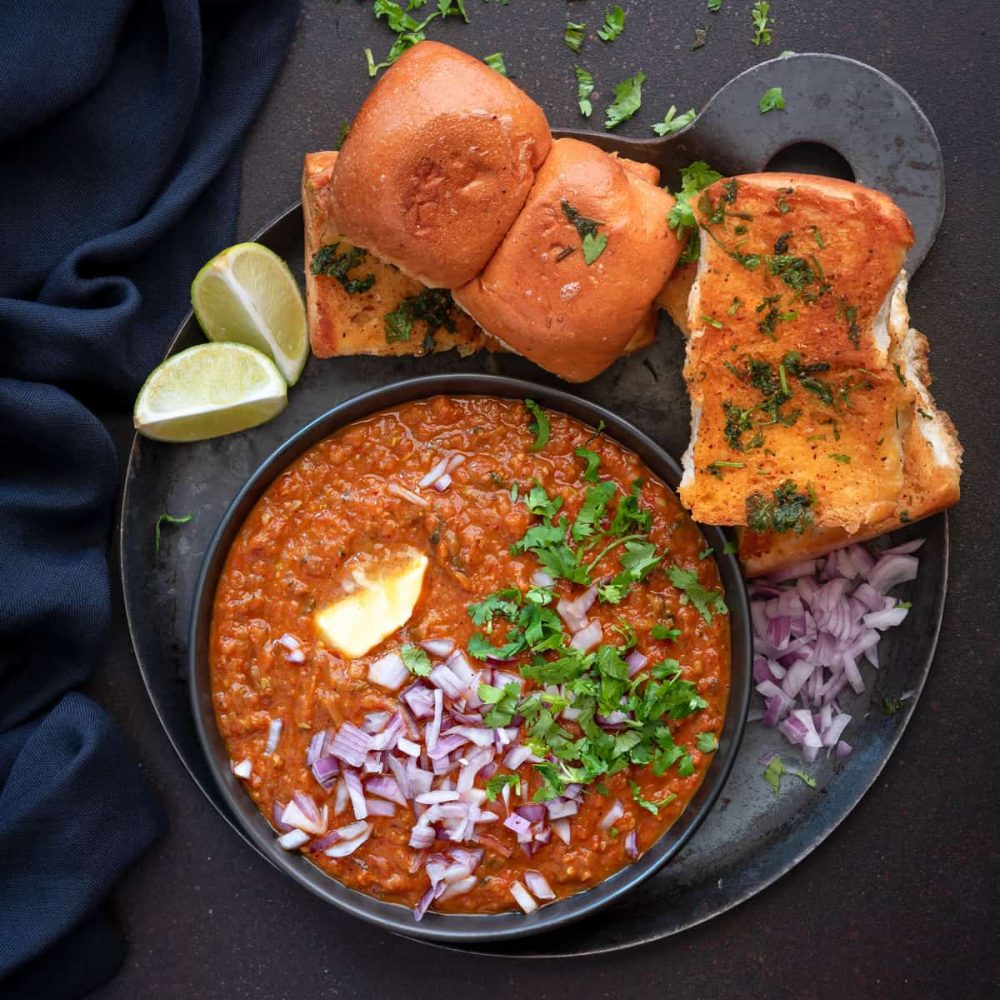
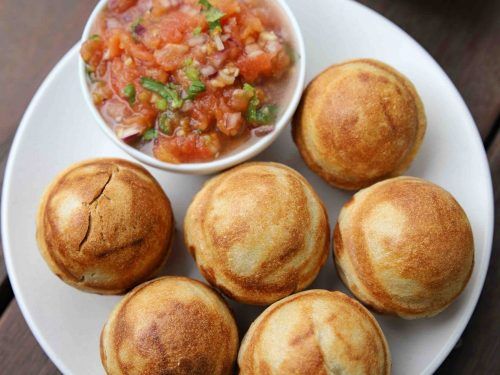
The cuisine of India is one of the world's most diverse cuisines, characterized by its sophisticated and subtle use of the many spices, vegetables, grains and fruits grown across India. The cuisine of each geographical region includes a wide assortment of dishes and cooking techniques reflecting the varied demographics of the ethnically diverse Indian subcontinent. India's religious beliefs and culture have played an influential role in the evolution of its cuisine. Vegetarianism is widely practiced in many Hindu, Buddhist and Jain communities.
India’s unique blend of cuisines evolved through large-scale cultural interactions with neighboring Persia, ancient Greece, Mongols and West Asia. New World foods such as chili peppers, tomatoes, potatoes and squash, introduced by Arab and Portuguese traders during the sixteenth century, and European cooking styles introduced during the colonial period added to the diversity of Indian cuisine.
History and Influences
The cuisine of India has is considered one of the world’s most diverse cuisines. Extensive immigration and intermingling of cultures through many millennia has introduced many dietary and cultural influences. India's diverse climate, ranging from deep tropical to alpine, has made a broad range of ingredients readily available to its many schools of cookery. In many cases, food has become a marker of religious and social identity, with various taboos and preferences (for instance, a segment of the Jain population consume no roots or subterranean vegetable; see Jain vegetarianism) that have driven certain groups to innovate extensively with the food sources that are deemed acceptable.
The longstanding vegetarianism within sections of India's Hindu, Buddhist and Jain communities has exerted a strong influence over Indian cuisine. People who follow a strict vegetarian diet make up 20–42 percent of the population in India, while less than 30 percent are regular meat-eaters.
Elements
The staples of Indian cuisine are rice, atta (whole wheat flour), and a variety of pulses, the most important of which are masoor (most often red lentil), chana (bengal gram), toor (pigeon pea or yellow gram), urad (black gram) and mung (green gram). Pulses may be used whole, dehusked, for example dhuli moong or dhuli urad, or split. Pulses are used extensively in the form of dal (split). Some of the pulses like chana and "Mung" are also processed into flour (besan).
Most Indian curries are fried in vegetable oil. In North and West India, groundnut oil has traditionally been most popular for frying, while in Eastern India, mustard oil is more commonly used. In South India, coconut oil and sesame (gingelly) oil are common. In recent decades, sunflower oil and soybean oil have gained popularity all over India. Hydrogenated vegetable oil, known as Vanaspati ghee, is also a popular cooking medium that replaces Desi ghee (clarified butter).
The most important and most frequently used spices in Indian cuisine are chilli pepper, black mustard seed (rai), cumin (jeera), turmeric (haldi, manjal), fenugreek (methi), asafoetida (hing, perungayam), ginger (adrak, inji), and garlic (lassan, poondu). Popular spice mixes are garam masala which is usually a powder of five or more dried spices, commonly comprised of cardamom, cinnamon and clove. Every region has its own blend of Garam Masala. Goda Masala is a popular spice mix in Maharashtra. Some leaves like tejpat (cassia leaf), coriander leaf, fenugreek leaf and mint leaf are commonly used. The use of curry leaves is typical of all South Indian cuisine. In sweet dishes, cardamom, nutmeg, saffron, and rose petal essence are used.
The term "curry" is usually understood to mean "gravy" in India, rather than "spices."
Beverages
Tea is a staple beverage throughout India; the finest varieties are grown in Darjeeling and Assam. It is generally prepared as masala chai, by boiling the tea leaves in a mixture of water, spices such as cardamom, cloves, cinnamon, and ginger, and large quantities of milk to create a thick, sweet, milky concoction. Different varieties and flavors of tea are prepared all over the country. Another popular beverage, coffee, is largely served in South India. One of the finest varieties of Coffea arabica is grown around Mysore, Karnataka, and is marketed under the trade name "Mysore Nuggets." Indian filter coffee, or kaapi, is especially popular in South India. Other beverages include nimbu pani (lemonade), lassi (made by blending yogurt with water, salt, pepper, ice and spices until frothy), chaach, badam doodh (milk with nuts and cardamom), sharbat (juice prepared from fruits or flower petals) and coconut water.
India also has many indigenous alcoholic beverages, including palm wine, fenny, bhang and Indian beer. The practice of drinking a beverage with a meal, or wine and food matching, is not traditional or common in India. People prefer to consume drinking water with their food, and it is customary to offer drinking water to guests before serving hot or cold drinks.